
The Nashville Film Festival offers a unique opportunity that few other film events can match: the chance to experience world-class cinema in a city that literally pulses with live music. While festival-goers at most events focus solely on screenings, Nashville attendees face a different kind of scheduling challenge—deciding when to catch an evening documentary premiere and when to experience the nightly Broadway honky-tonk scene that defines the city.
This dual-experience approach requires transportation planning that accounts for both the festival's screening schedule and Nashville's entertainment geography. The distance between Regal Green Hills (a primary festival venue) and Broadway's music district isn't walkable, and ride-share surge pricing during peak entertainment hours can complicate spontaneous plans. Understanding how to move efficiently between film venues and music districts turns a film festival trip into a comprehensive Nashville cultural experience.
Festival Venue Layout and Music District Geography
Nashville Film Festival spreads across multiple venues, with Regal Green Hills serving as the anchor location northeast of downtown. The Belcourt Theatre in Hillsboro Village hosts art house programming, while downtown venues accommodate special events and industry panels. This geographic spread means attendees already need transportation between screening locations before considering evening music explorations.
Broadway and the honky-tonk district sit in downtown Nashville, approximately 8 miles from Green Hills. The evening entertainment peaks between 8 PM and midnight, when multiple bands cycle through each venue in 90-minute sets. Midtown's music venues offer an alternative scene, positioned between the festival venues and downtown but requiring different routing. Lower Broadway's multi-story honky-tonks create a concentrated entertainment zone, but parking fills early and costs accumulate quickly for multiple-day visitors.
The September festival timing coincides with moderate Nashville temperatures and pre-holiday tourist volumes. Downtown streets experience heavy pedestrian traffic during evening hours, while daytime screening times at outlying venues see standard Nashville traffic patterns. The 20-30 minute drive between Green Hills and downtown becomes 40+ minutes during rush periods, impacting scheduling for back-to-back experiences.
Coordinating Screening Schedules with Music Exploration
Film festival schedules typically feature afternoon and evening screening blocks, with gaps between films that can stretch 90 minutes to three hours. These intervals create natural windows for experiencing Nashville's music scene, but require advance planning rather than spontaneous decisions. A 4 PM screening ending at 6 PM provides time to reach Broadway for early sets before returning for a 9:30 PM festival event.
Groups with varied interests within the same party face particular coordination challenges. When two members want to catch a documentary while others prefer exploring honky-tonks, having dedicated transportation allows the group to split and reunite without complicated pickup coordination. This flexibility proves especially valuable when screening times shift or a particular music venue experience extends beyond initial plans.
The festival's opening night events and closing ceremonies represent fixed points that all attendees want to attend, creating known transportation needs around specific times. Between these bookends, the week's schedule becomes more fluid based on individual film priorities and music interests. Building in buffer time for transportation between experiences prevents the rushed feeling that diminishes both activities.
Transportation Options for Dual-Experience Approach
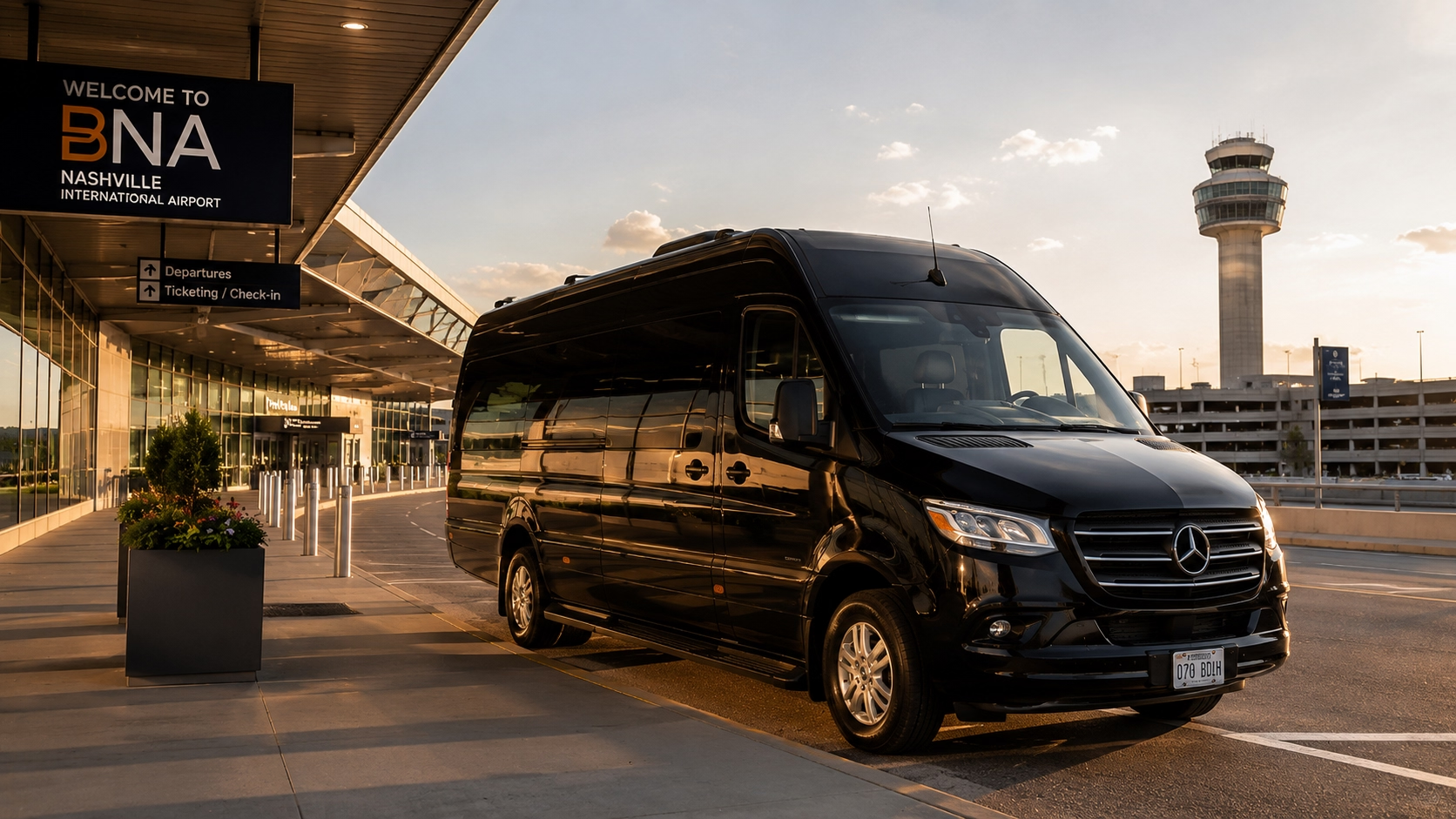
Airport transfers provide the foundation for visitors who want transportation sorted before tackling festival planning. Landing at Nashville International Airport and reaching downtown or Green Hills area hotels establishes a base without immediately navigating an unfamiliar city. This point-to-point service handles luggage and timing stress, allowing travelers to arrive ready for evening activities rather than depleted by travel logistics.
Hourly service creates the most flexibility for the film-and-music combination approach. Rather than planning separate rides between each screening venue and music district, dedicated transportation allows for route adjustments as the day unfolds. When a festival panel runs long or a particular Broadway venue deserves more time, having a driver familiar with Nashville's layout adapts to changing plans. This service works particularly well for groups where members have different priorities—the vehicle serves as a mobile meeting point between experiences.
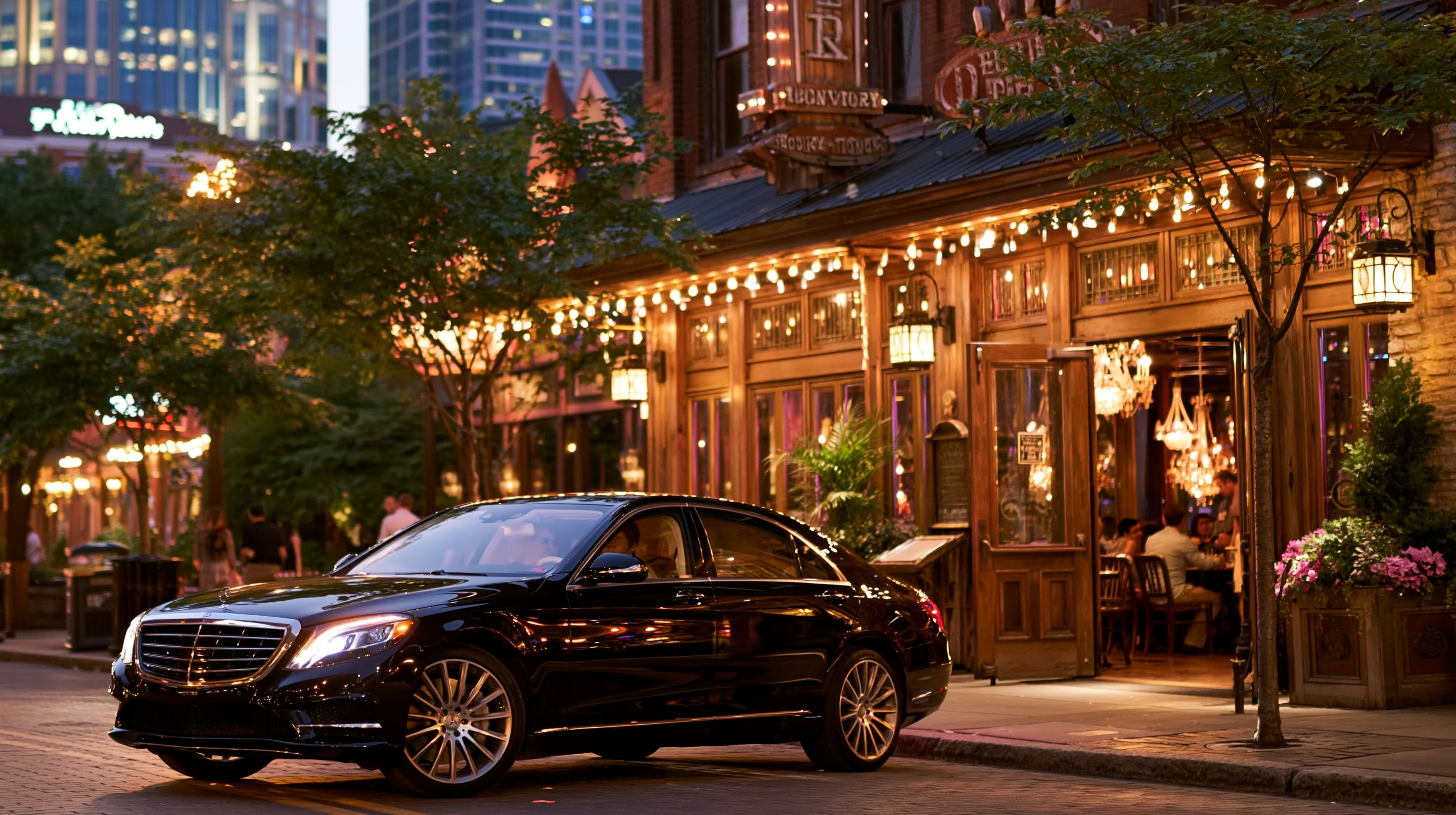
The vehicle choice impacts how well this dual-experience approach functions. Black Car service suits couples or solo travelers moving between individual screenings and intimate music venues. For groups of 4-6 people coordinating mixed schedules, an SUV provides space for gear, festival materials, and the natural chaos of active exploration. Larger festival groups of 8-10 treating the week as a comprehensive Nashville experience benefit from Sprinter Van service that accommodates both daytime festival movement and evening group entertainment.
Practical Routing Between Festival and Entertainment
The most efficient route between Green Hills festival venues and Broadway follows Hillsboro Pike to I-440 East, then I-65 South into downtown. This routing avoids surface street traffic lights while providing quick access to downtown's northern edge. Return trips reverse this route, though late-night timing reduces traffic variables compared to evening departures.
Belcourt Theatre's Hillsboro Village location sits between Green Hills and downtown, creating a useful intermediate point. Catching a screening here before heading to Broadway shortens the evening's first leg. Similarly, stopping at Midtown music venues on routes between locations provides music experiences without the full downtown commitment, useful when time constraints exist.
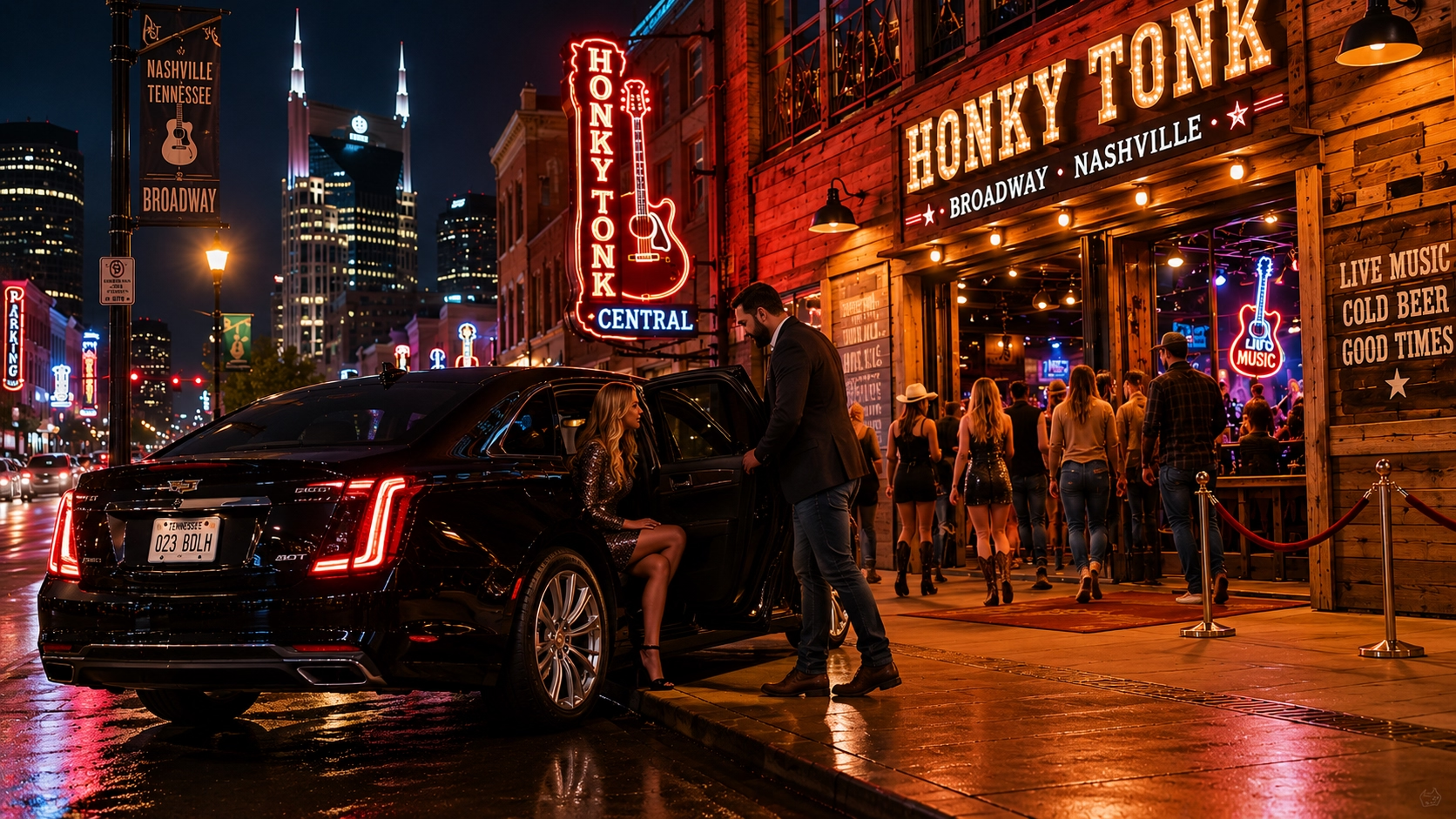
Lower Broadway's layout concentrates most honky-tonks within a four-block stretch, allowing for walking between venues once downtown. However, parking in this area proves challenging and expensive, making drop-off service more practical than self-driving. Professional drivers familiar with Broadway's back access points can position for pickup more efficiently than navigating the main thoroughfare's pedestrian crowds and traffic.
Building a Week-Long Schedule
The festival's six-day span allows for varied daily approaches rather than a single repeated pattern. Early in the week, focus might emphasize screening attendance while learning Nashville's layout. Mid-week days could balance festival films with longer music district exploration. Later festival days might prioritize must-see films while using familiar venues and routes for efficiency.
September weather in Nashville typically remains comfortable through evening hours, making the walk between adjacent Broadway honky-tonks pleasant rather than rushed. This affects planning—when weather cooperates, less time needs buffering for outdoor movement between venues. Festival programmers also tend to schedule lighter screening days mid-week, creating natural openings for extended Nashville exploration.
Group coordination becomes simpler with established patterns. When everyone knows the vehicle will return to the hotel between afternoon and evening activities, individual members can opt in or out of specific plans. This flexibility prevents the common festival problem where group consensus constrains individual preferences, while maintaining enough coordination that no one feels abandoned to navigate alone.
Making Nashville's Character Part of Festival Experience
Nashville's identity as Music City fundamentally shapes the cultural experience beyond any single event. The film festival itself reflects this—you'll notice more music documentaries and composer panels than festivals in other cities feature. Local filmmakers often incorporate Nashville's music industry into narrative works, creating content that resonates more deeply when experienced in context.
The downtown honky-tonks aren't tourist traps despite their Broadway location; they're functioning venues where working musicians perform nightly regardless of festival calendars. This authenticity means festival attendees experience the same live music scene that characterizes Nashville year-round. The quality of musicianship on any given night often surprises visitors expecting more casual entertainment—these stages launch national careers, not just entertain tourists.
Transportation planning that respects both festival commitments and Nashville exploration acknowledges this dual identity. The week becomes richer when movement between venues flows naturally rather than feeling like logistical obligations. Having reliable transportation removes the mental burden of figuring out each trip, allowing more attention to the actual experiences—both cinematic and musical.
John Doe