
New York has three major airports. None of them is straightforwardly convenient. The question isn't which one is best in the abstract — it's which one works for your itinerary, your travel day, and how much buffer you've built into your schedule.
For a first-time arrival at a Manhattan hotel near Union Square, the airport decision happens weeks before you land. By the time you're on the ground, the routing is already fixed. Getting the logic right in advance is the part that actually matters.
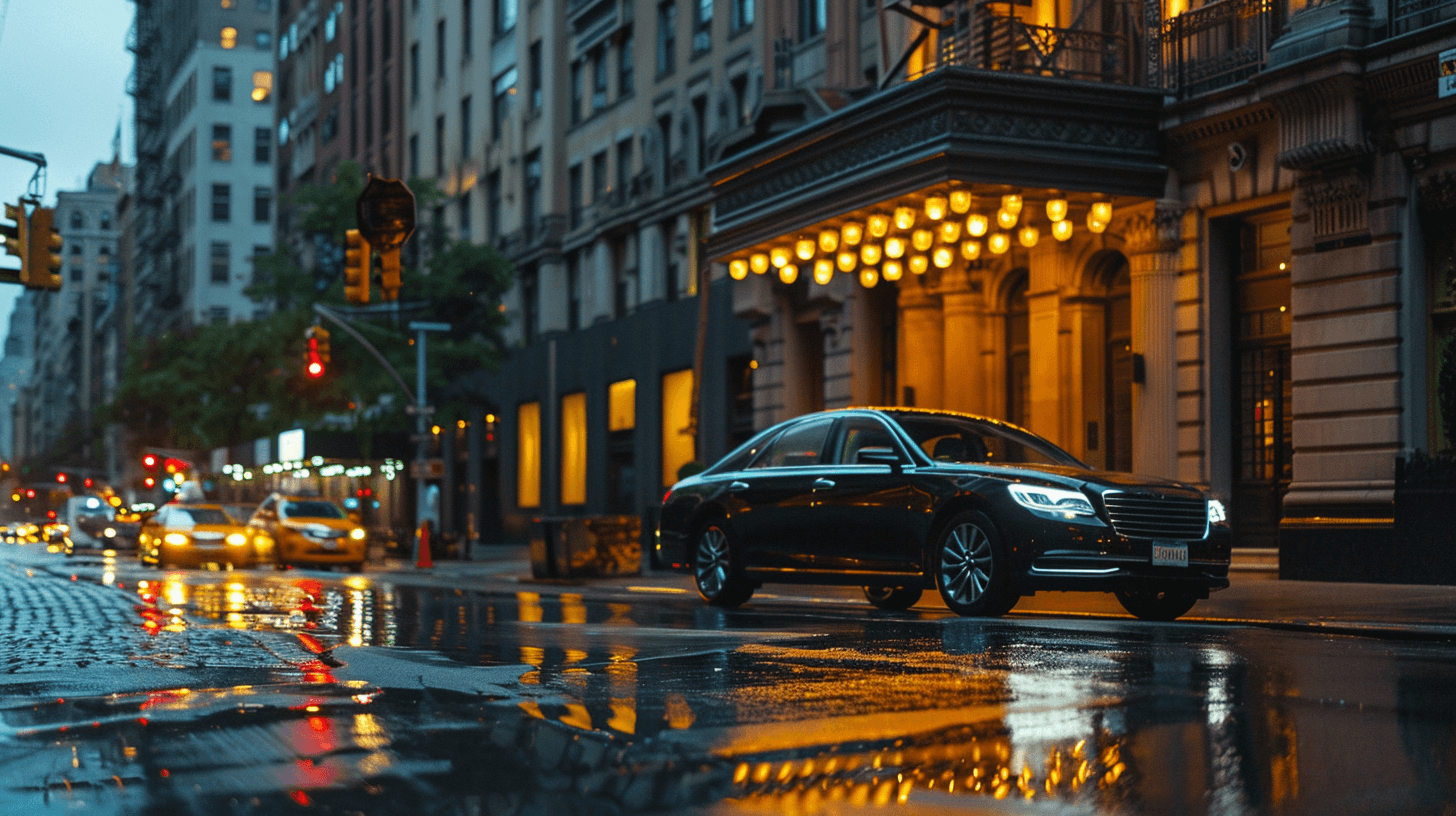
JFK: The Default Choice That Isn't Always Optimal
John F. Kennedy International is the largest of the three airports and handles most international traffic into New York. If you're arriving from Europe, Asia, or anywhere outside the continental US, JFK is likely where you land — by design, not by preference.
The drive from JFK to Union Square runs 45 minutes to 1 hour 15 minutes in standard conditions. The route typically moves through the Queens-Midtown Tunnel or over the Williamsburg Bridge depending on conditions, driver knowledge, and where traffic is stacking. Weekday afternoons between 3 PM and 7 PM extend that window. Friday afternoon is its own category — budget 90 minutes and be grateful if it comes in under.
What people underestimate at JFK is the airport exit time. Terminal 4 is the international arrivals hub, and customs processing during peak hours adds 30–60 minutes after wheels down. A flight that lands at 2 PM may not reach street level until 3:30. Anyone booking a car service from JFK to Union Square should build that window into the plan, not assume the driver will simply wait at the curb.
A professional chauffeur service tracks inbound flight status and adjusts accordingly. That's standard. What isn't standard is the driver knowing that Terminal 4 international customs runs long on Tuesday afternoons in February — and planning the pickup window around that reality rather than the scheduled landing time.
EWR: The Airport That Works Better Than Its Reputation
Newark Liberty is in New Jersey, which makes it feel further than it is for Manhattan arrivals. The actual drive from EWR to Union Square — through the Holland Tunnel — runs 35–55 minutes in reasonable conditions. That's shorter than JFK on a normal day.
The variable is the tunnel. The Holland Tunnel is one of the most consistently congested entry points into Manhattan. On a weekday afternoon, it adds 15–25 minutes reliably. On a Friday, it can add more. The Lincoln Tunnel provides an alternative northern approach, but it deposits traffic into Midtown, not Union Square — so it's a different routing trade-off depending on where exactly you're staying.
EWR serves a disproportionate share of domestic business travel, which means the terminal experience is faster than JFK for most arrivals. No customs, smaller terminal footprint, and a functional ground transportation area. For a business traveler coming in from Chicago or Dallas, EWR often makes cleaner logistical sense than JFK — even though the destination is Manhattan and the airport is technically across state lines.
Car service from EWR to Union Square costs slightly more than the other routes due to New Jersey tolls and the tunnel crossing. That's a fixed cost, not a variable — budget for it upfront.
LGA: Closest on the Map, Not Always in Practice
LaGuardia is the airport that looks closest to Manhattan on a map. For arrivals with short domestic flights, often the most convenient gate-to-street experience. And yet it has a specific traffic problem that erases much of that geographic advantage.
The Grand Central Parkway and the surface roads connecting LGA to Manhattan back up predictably during rush hours, with limited alternate routing options. A 9-mile distance from LGA to Union Square can take 30 minutes in the morning or 70 minutes at 5 PM.
LGA works best for early morning arrivals and mid-morning arrivals — before the city's traffic layers stack. It's also the right choice when the traveler is connecting quickly and flight selection made LGA the logical hub. The car service from LGA to Union Square is the shortest route in distance — when the timing cooperates.
Tunnel vs. Bridge: Why the Route Decision Isn't Trivial
The path into Manhattan from any of the three airports involves either a tunnel or a bridge crossing. This isn't a detail — it's the variable that most affects arrival time.
From JFK, the Queens-Midtown Tunnel brings traffic into Midtown East, which then requires southbound travel to Union Square. The Williamsburg Bridge deposits traffic into Lower Manhattan and works better for downtown destinations. The right crossing depends on where on the approach traffic is building.
From EWR, the Holland Tunnel is the Union Square–specific route. It's direct but congested. A driver who knows the Hoboken surface road situation can sometimes shave time by reading the approach before committing to the tunnel entrance.
From LGA, there are no tunnels — the Triborough Bridge and the Queens routes feed into East Midtown. Surface navigation from there to Union Square runs through the grid, which means the 5 PM signal-cycle problem applies in full.
An experienced driver knows these trade-offs in real time, not from a routing app. That's the meaningful difference between a professional chauffeur and a rideshare on a complicated New York travel day.
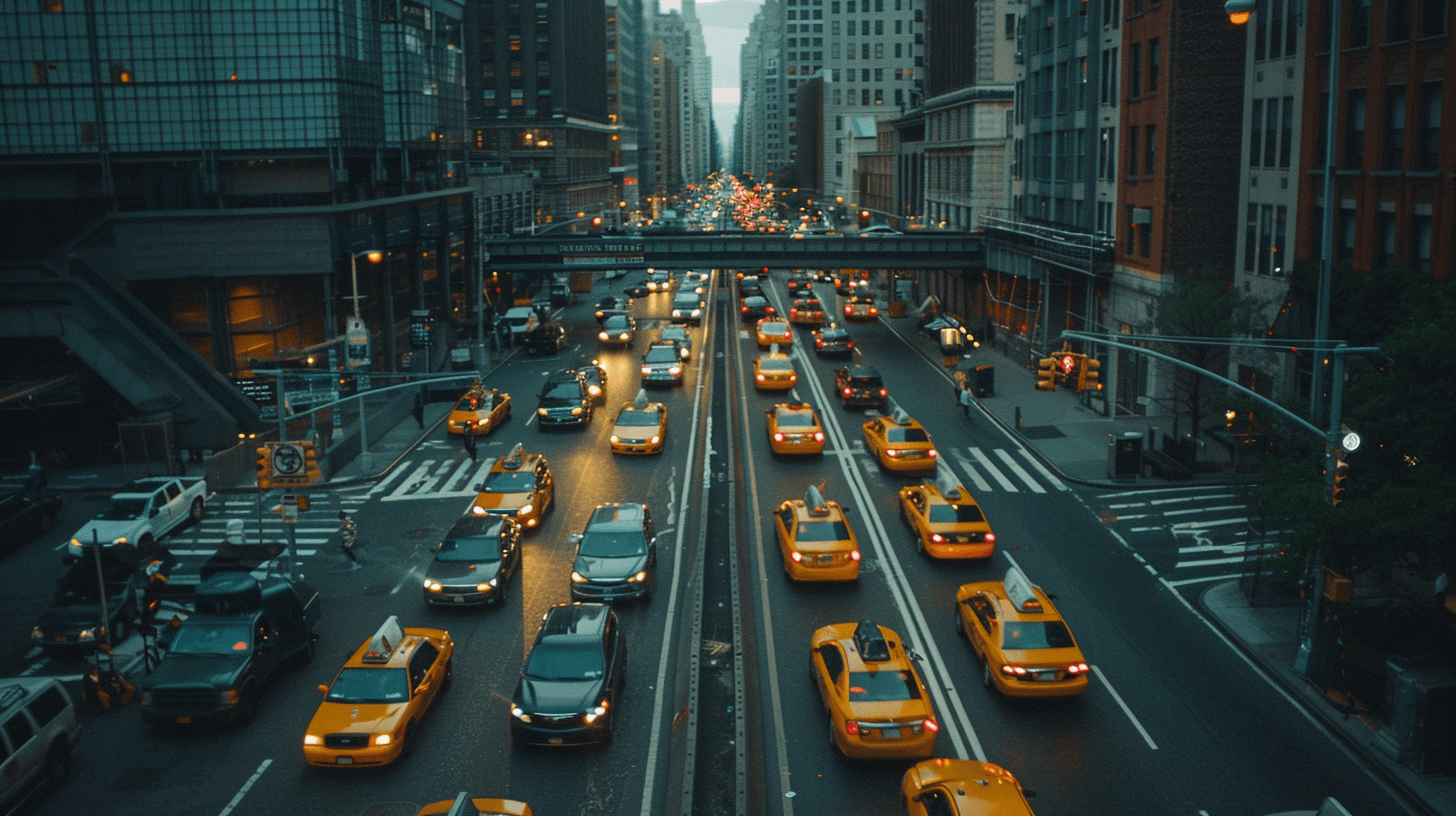
Sedan or SUV: The Manhattan Drop-Off Reality
Union Square is a busy neighborhood. Park Avenue South has loading zones, but they're shared, timed, and not always available. The W Hotel drop-off area is functional, but a large vehicle takes longer to offload in a confined street context.
For a solo traveler or a pair with standard carry-ons, a Premium Sedan is the right vehicle. It's maneuverable, exits fast, and doesn't require the driver to negotiate a larger footprint in a tight block.
Add a third or fourth passenger with checked bags and the sedan becomes uncomfortable. A Premium SUV handles four passengers and full luggage without compromising on cabin space or street logistics. The incremental size is manageable on Park Avenue South.
A Sprinter Van to a Manhattan boutique hotel drop-off is a different problem. It requires a longer loading zone, slows street flow, and draws attention that most guests arriving at Union Square don't want. For individual or small group arrivals, a sedan or SUV is the cleaner call. The Sprinter becomes relevant when coordinating a larger group arrival with a designated loading window arranged with the hotel in advance.
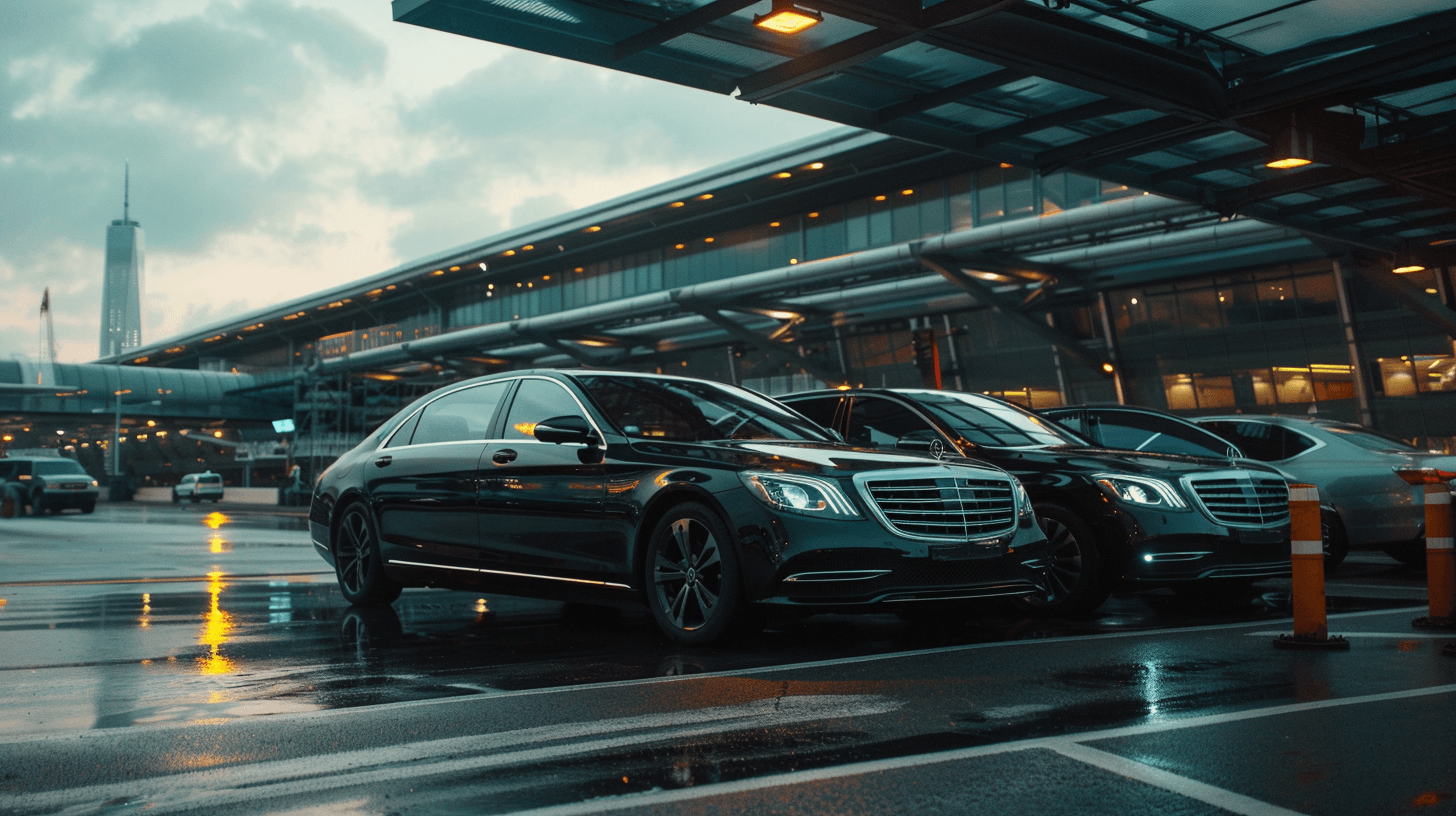
Fashion Week, Conference Season, and Why Timing Your Booking Matters
New York Fashion Week runs twice a year and reorders midtown and downtown transportation entirely. Hotel inventory around Union Square tightens; car service demand spikes across all three airports simultaneously; and vehicles that are available at 48 hours' notice in October are committed weeks out in February.
The same pattern applies during large industry conferences — when a single event pulls thousands of executives into Manhattan across a compressed two-day window. Every executive assistant booking a car from JFK, EWR, or LGA during that window is competing for the same fleet capacity.
The Fashion Week transportation dynamics and the broader New York car service landscape cover the event-specific context in detail. Worth noting: during major events, a minimum hourly booking requirement may apply. Minimums vary by event, vehicle class, and city — confirming availability and minimums before finalizing the reservation is the right sequence, not an afterthought.

What the Drop-Off Actually Looks Like at Union Square
Union Square is not a hotel-row neighborhood. It's a working intersection with subway access, a greenmarket, and constant pedestrian and delivery traffic. The W Hotel sits on Park Avenue South, which handles car service drop-offs reasonably well — but the block has turnover, not dedicated hotel staging.
A driver who has done this run multiple times knows which side of the block to approach from, how to position for the fastest door-to-lobby transfer, and when to time the arrival to avoid the lunch rush or the post-work foot traffic surge. For a first-time arrival in a city as layered as New York, that local knowledge is worth something.
John Doe