
The IndyCar Series Finale at Laguna Seca delivers something regular-season races can't: championship implications on one of motorsport's most challenging circuits. When drivers attack the Corkscrew with a title on the line, the atmosphere shifts from competitive to electric. If you're planning to witness this season-ending showdown, understanding the unique logistics of a championship weekend helps you focus on the racing rather than the details.
Why the Finale Feels Different
Regular IndyCar events showcase brilliant racing, but the finale adds layers that change how you experience the weekend. The championship battle means every practice session matters—teams test setups with more urgency, drivers push harder earlier, and track position becomes critical from the first green flag.
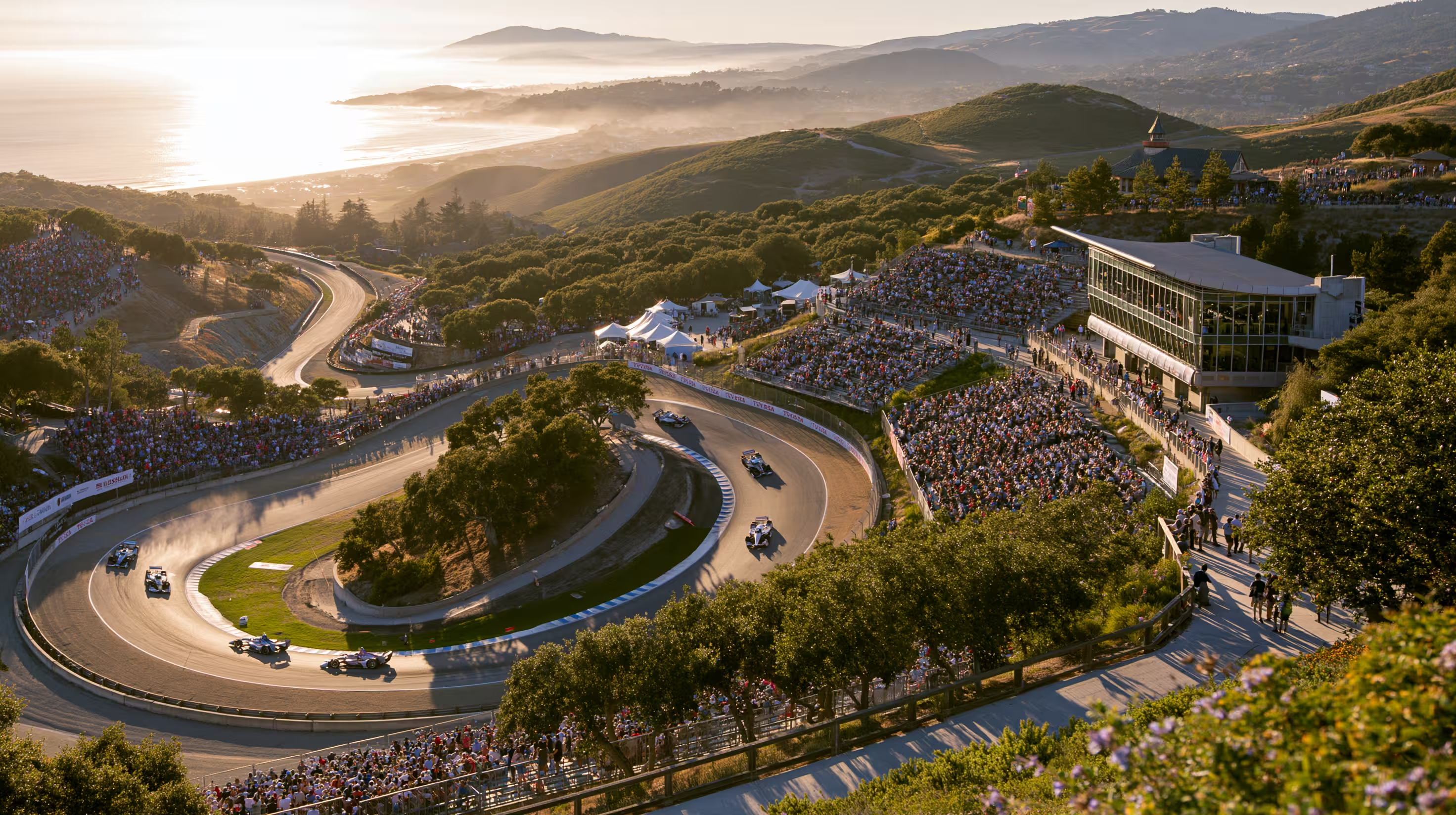
Laguna Seca amplifies this intensity. The 2.238-mile circuit punishes mistakes, rewards precision, and creates natural drama. The Corkscrew—that famous elevation drop through turns 8 and 8A—becomes even more significant when a championship hangs on one braking zone or one perfect line. Watching title contenders navigate this section during qualifying tells you everything about who's truly committed to winning.
The coastal setting adds another dimension. Morning fog often delays practice sessions, compressing the schedule and forcing teams to maximize limited track time. This weather pattern creates strategic complications that don't exist at other venues, and championship teams must adapt faster than their competitors.
Transportation Strategy for Race Weekend
Laguna Seca sits in the hills between Monterey and Salinas, about 10 miles from downtown Monterey and 15 from Carmel. The track entrance channels all traffic through a limited road network, and championship weekend brings significantly larger crowds than regular events. Your transportation approach needs to account for these realities.
Staying in Monterey or Carmel makes geographic sense, but you'll face concentrated traffic during arrival and departure windows. Friday practice typically starts around 10 AM, with qualifying later that afternoon. Saturday features morning warm-up and the championship race in mid-afternoon. These compressed schedules create predictable traffic surges.
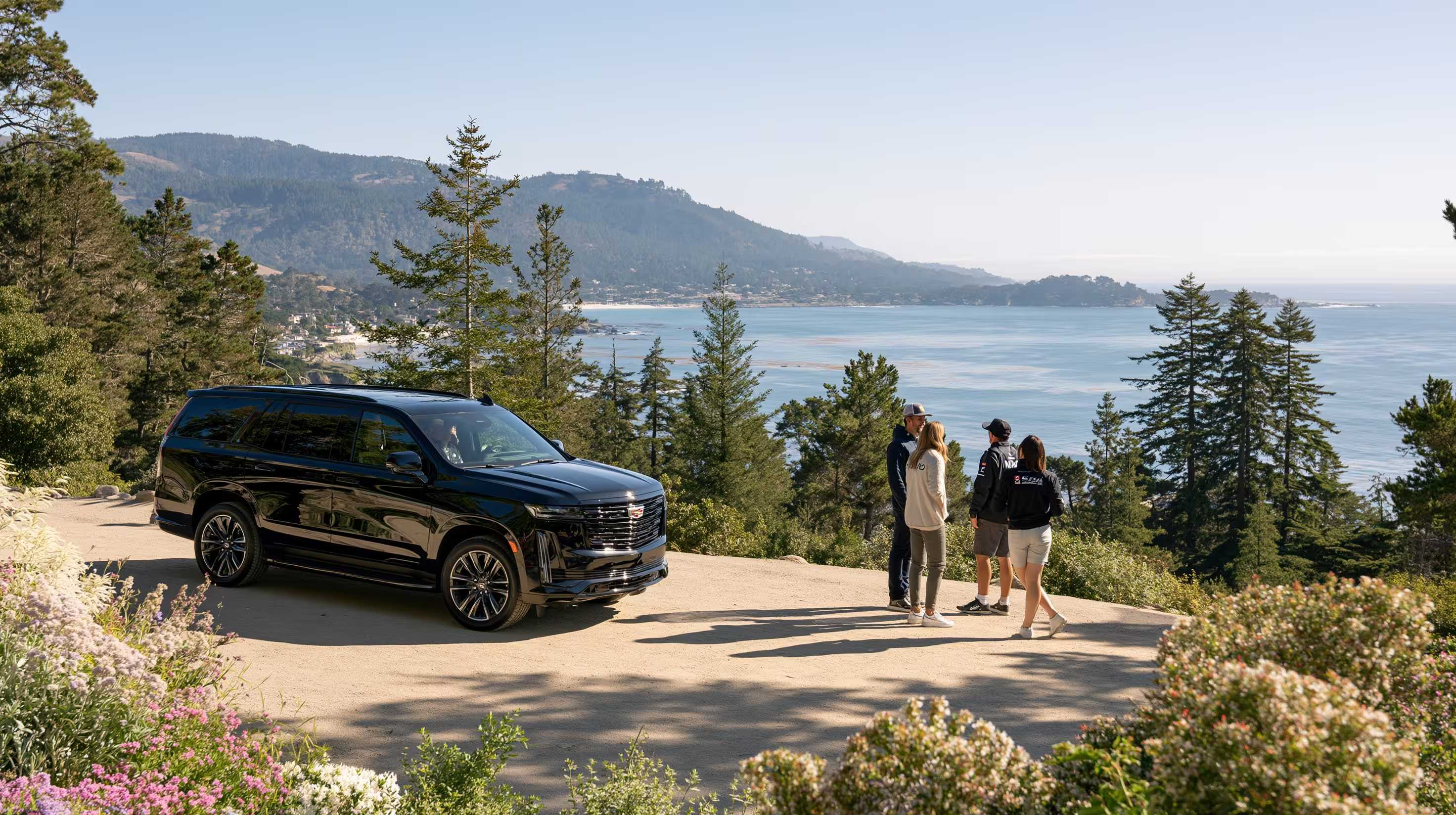
An SUV gives you flexibility for a group of 4-6 fans making the trip together. You control departure times, can adjust for weather delays, and have space for gear, coolers, and rain equipment. For larger groups planning the full weekend experience, a Full Day Service means your transportation adapts to the actual schedule rather than forcing you into rigid pickup times.
The most overlooked advantage: coordination for multiple daily movements. Practice ends, you want lunch in Carmel Valley before qualifying, then dinner in Monterey after the session. Pre-arranged transportation eliminates the coordination chaos that turns a 6-person group into a logistics puzzle.
Race Weekend Schedule Realities
Championship weekend schedules look straightforward on paper but function differently in practice. Friday morning practice often gets delayed by fog—sometimes 30 minutes, occasionally longer. This pushes qualifying closer to evening and compresses preparation time between sessions.
Smart fans arrive earlier than the official schedule suggests. Gates typically open 90 minutes before the first session, and reaching your viewing spot before practice starts means better sightlines and fewer crowds. Morning delays affect everyone equally, but you're better positioned if you're already settled when the track goes green.
Saturday's championship race usually starts between 3-4 PM Pacific. Post-race activities—victory lane, driver appearances, potential championship celebrations—extend at least an hour beyond the checkered flag. If you're rushing to catch a flight or meet a dinner reservation, you'll miss the conclusion of what you came to witness.
Building buffer time into your transportation plan accounts for these variables. A Full Day Service means weather delays don't cascade into missed sessions or rushed departures. Your driver monitors schedule changes and adjusts accordingly while you focus on the racing.
What Makes Laguna Seca Championship-Worthy
IndyCar chose Laguna Seca for the finale because the circuit demands complete mastery. The Corkscrew gets the attention, but the entire layout tests different skills: heavy braking into Turn 2, commitment through Turn 6, and the fast downhill section into Turn 10 all separate contenders from pretenders.
Championship racing here reveals driver psychology. Watch how title contenders approach the Corkscrew during practice versus qualifying versus race conditions. The line changes, braking points shift, and risk tolerance adjusts based on championship math. A driver needing to win attacks differently than one protecting a points lead, and Laguna Seca exposes these strategies immediately.
The elevation changes also affect tire management and fuel consumption more than flat circuits. Teams that master these variables gain measurable advantages, and championship weekends punish teams that guess wrong on setup or strategy.
Incorporating the Monterey Peninsula
The Monterey Peninsula offers more than track access—it provides the complete racing weekend experience. Carmel-by-the-Sea sits 15 minutes from the track with excellent restaurants and coastal atmosphere. Monterey's Cannery Row and wharf area deliver waterfront dining and entertainment that contrasts nicely with the intensity of championship racing.
Many fans build in a coastal drive along 17-Mile Drive between race sessions. The scenic route through Pebble Beach takes about an hour with stops, perfectly timed between Friday practice and qualifying. This kind of spontaneous addition works best with flexible transportation that isn't bound to strict pickup schedules.
The Monterey Bay Aquarium provides an unexpected but popular option, especially if weather delays extend into afternoon. Having transportation ready to pivot from track-focused to region-focused saves a delayed Friday from becoming a wasted day.
Making the Championship Trip Work
Flying into San Jose (70 miles north) or Monterey Regional Airport (5 miles from track) changes your ground transportation needs significantly. San Jose offers more flight options and typically lower fares, but adds 90 minutes of driving each way. Monterey Regional gets you closer but limits flight choices and often costs more.
For groups flying in specifically for championship weekend, arranging an airport transfer to your Monterey hotel establishes your base without rental car complications. Many racing fans prefer having a driver who knows local routes and can provide track access insights rather than navigating unfamiliar roads during race weekend traffic.
The championship finale typically happens in mid-September, when Monterey weather remains pleasant but fog patterns become more pronounced. Morning temperatures in the 50s, afternoon highs in the 70s, and coastal wind mean layering your clothing and bringing weather protection. Your transportation should accommodate gear bags and rain equipment without cramping six racing fans and their enthusiasm.
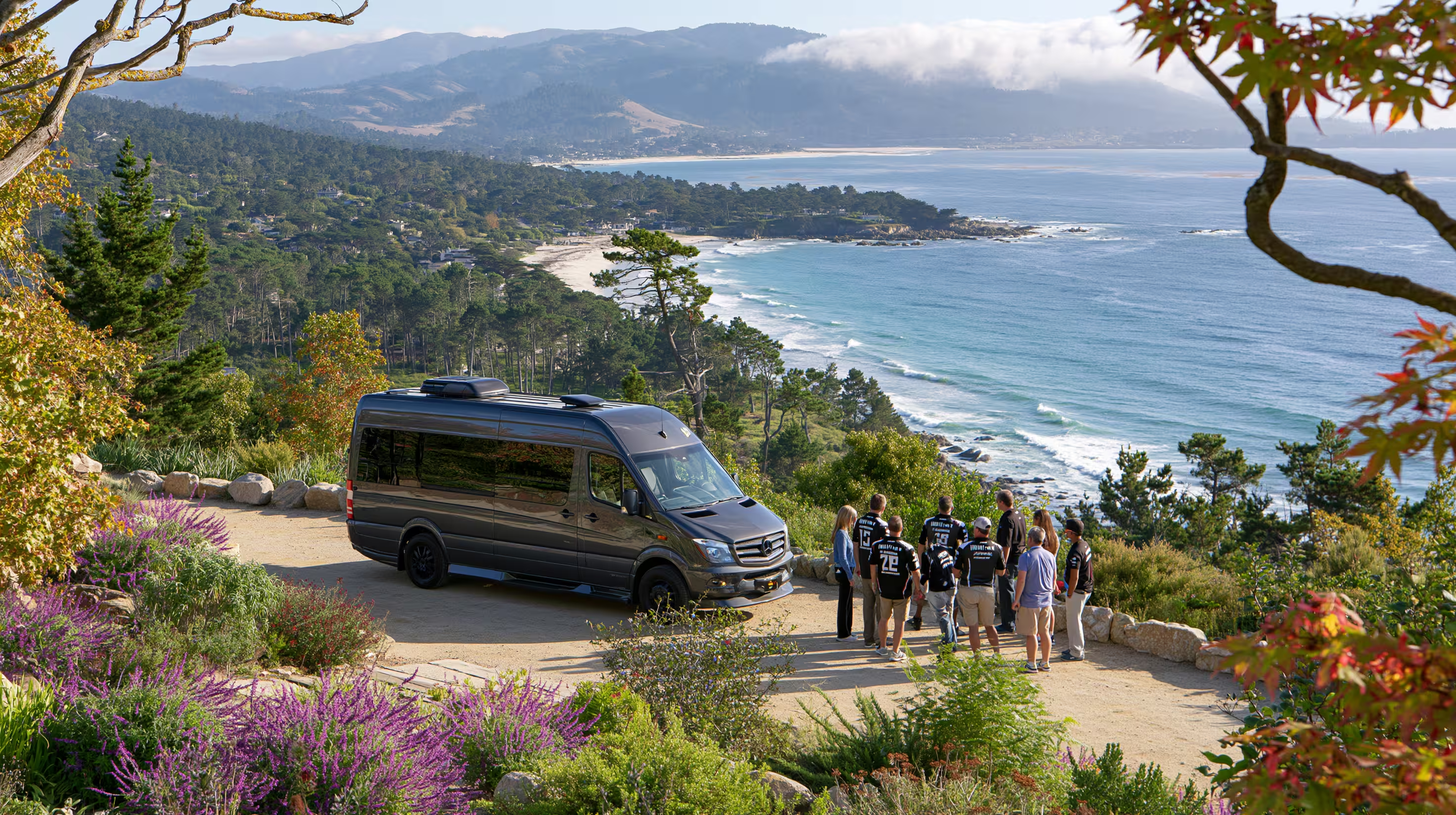
Groups of 8-12 serious fans benefit most from Sprinter Van or Limo-Style options that keep everyone together. You're not coordinating three separate vehicles through traffic, splitting up for lunch, or losing two people who stopped for coffee. Championship weekend generates enough variables—your transportation shouldn't add more.
The race weekend becomes the trip you remember not because of perfect logistics, but because you removed logistical friction entirely. When championship racing delivers drama at the Corkscrew and you're positioned to witness every moment without worrying about departure schedules or traffic patterns, that's when the finale experience matches your expectations. Pre-arranged transportation designed around racing schedules rather than rigid timetables makes that possible.
John Doe